
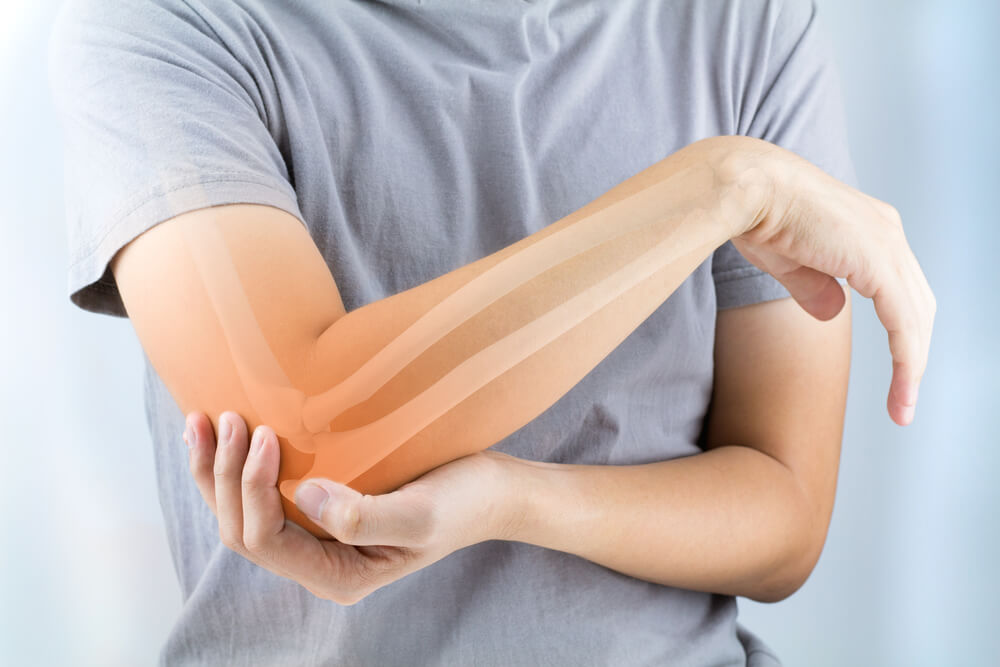
Work injuries can happen from lifting, slipping, repetitive motion, awkward movement, overuse, or direct impact. Even when the injury does not seem like an emergency, pain or limited movement can interfere with job duties and daily life.
MyDoc Care can evaluate non-life-threatening work injury symptoms, document the visit, recommend initial care, and guide follow-up when imaging, specialist evaluation, or additional treatment is needed.
What We Help With
Back and Neck Strain
Lifting, twisting, pulling, or repetitive posture can lead to pain, stiffness, and limited movement.
Sprains and Strains
Soft tissue injuries may cause swelling, bruising, soreness, weakness, or pain with movement.
Shoulder, Knee, and Wrist Pain
Work tasks can irritate joints and tendons, especially with repetitive lifting, gripping, kneeling, or reaching.
Slip and Fall Symptoms
Falls can cause bruises, strains, soreness, headaches, and injuries that need medical review.
Repetitive Use Pain
Typing, tools, lifting, and repeated motions can cause tendon, nerve, or joint symptoms over time.
Documentation and Follow-Up
A medical visit helps record symptoms and clarify what treatment or referral may be appropriate.
Care Approach
Review the injury
We document when symptoms started, what movement caused them, and how they affect work or daily activity.
Check function
Your provider evaluates pain, swelling, range of motion, strength, and warning signs.
Guide next steps
Treatment may include supportive care, medication guidance, activity recommendations, referral, and follow-up planning.
When To Visit
- Pain started during work or after a workplace incident
- A work injury limits movement, lifting, walking, or gripping
- You have swelling, bruising, stiffness, numbness, or tingling
- Symptoms are not improving with rest
- You need a medical evaluation and documentation
Questions Patients Ask
Is this page legal or workers compensation claim advice? +
No. This page is about medical evaluation. For claim rules, coverage, or legal questions, speak with the proper employer, insurer, claims representative, or attorney.
What work injuries can urgent care evaluate? +
Urgent care can evaluate many non-life-threatening sprains, strains, soreness, minor injuries, and pain concerns related to work activity.
When should a work injury go to the emergency room? +
Seek emergency care for major trauma, heavy bleeding, severe head injury, chest pain, trouble breathing, fainting, severe weakness, or severe worsening symptoms.