
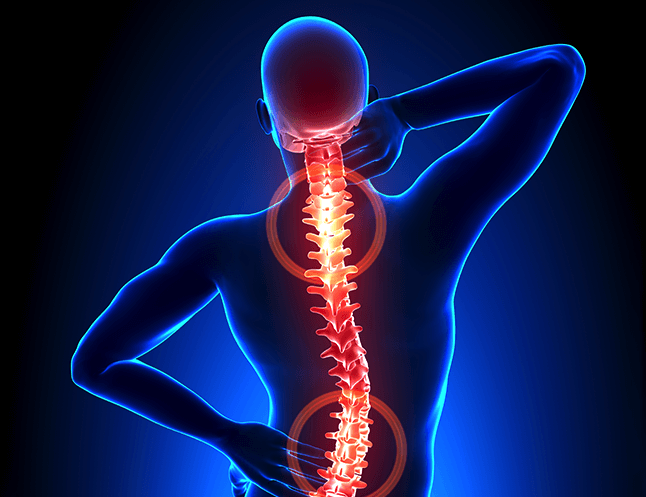
Pain management focuses on reducing discomfort, improving mobility, supporting better sleep, and helping you return to normal routines. Pain may come from injury, inflammation, nerve irritation, arthritis, tendon problems, or chronic medical conditions.
At MyDoc Care in Forest Hills, patients receive a focused exam, review of symptoms, and guidance on the next best step. When needed, the care plan can include diagnostic testing, medication guidance, physical therapy referral, and follow-up monitoring.
What We Help With
Back, Neck, and Shoulder Pain
Evaluation for muscle strain, nerve irritation, posture-related pain, disc problems, and joint inflammation.
Sciatica and Nerve Pain
Assessment for radiating pain, numbness, tingling, weakness, and symptoms that travel into the arms or legs.
Arthritis and Joint Pain
Care for stiffness, swelling, reduced range of motion, and pain that affects everyday movement.
Tendonitis and Bursitis
Support for inflamed tendons or bursae affecting the shoulder, elbow, wrist, hip, knee, or ankle.
Muscle Strains and Sprains
Treatment guidance for pulled muscles, soft tissue injury, overuse pain, and activity-related flare-ups.
Chronic Pain
A structured care plan for pain that keeps returning or interferes with work, sleep, exercise, or daily function.
Care Approach
Focused evaluation
We review your pain history, triggers, activity limits, and any warning symptoms before recommending care.
Testing when needed
Depending on the problem, testing may include imaging, labs, or referral for more specialized evaluation.
Practical treatment plan
Treatment may include medication guidance, activity modification, supportive care, therapy referral, and follow-up.
When To Visit
- Pain is severe, persistent, or keeps returning
- Pain limits walking, working, sleeping, or exercise
- You have numbness, tingling, weakness, or radiating symptoms
- Pain started after an injury, fall, or sports activity
- Over-the-counter care is not helping
Questions Patients Ask
Do I need an appointment for pain management? +
Appointments are recommended for planning, but patients can also contact MyDoc Care to confirm the best visit option for their symptoms.
Can urgent care help with chronic pain? +
Urgent care can evaluate pain, identify warning signs, start initial treatment, and help determine whether specialist follow-up or imaging is needed.
When is pain an emergency? +
Call 911 or seek emergency care for chest pain, sudden weakness, loss of bladder or bowel control, major trauma, or severe shortness of breath.