
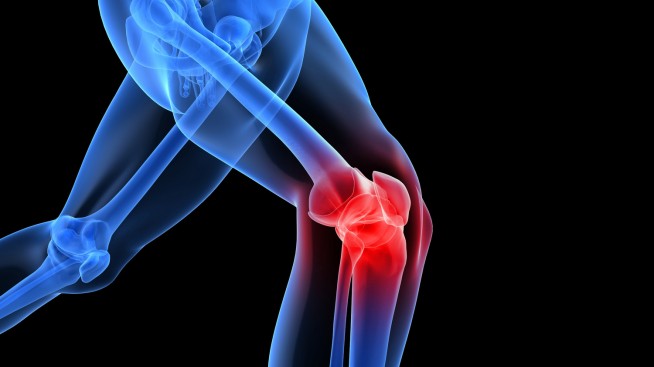
Knee and hip pain can develop from overuse, inflammation, arthritis, tendon problems, bursitis, sports injuries, or sudden strain. These joints carry daily body weight, so pain can quickly interfere with mobility.
MyDoc Care evaluates pain location, swelling, stiffness, range of motion, and injury history to help determine the best next step.
What We Help With
Hip Bursitis
Inflammation around the hip can cause outer hip pain, tenderness, difficulty sleeping on the side, and pain with walking.
Knee Pain
Pain may come from tendon irritation, ligament strain, inflammation, arthritis, overuse, or injury.
Activity-Related Joint Pain
Symptoms that flare with stairs, squats, running, long walks, or standing may need evaluation.
Swelling and Stiffness
Joint swelling or reduced motion can signal inflammation, injury, or an underlying joint problem.
Care Approach
Identify the source
We evaluate where pain is located, what activities worsen it, and whether instability or swelling is present.
Reduce stress on the joint
Care may include rest, medication guidance, bracing advice, activity modification, or therapy referral.
Plan next steps
If symptoms suggest fracture, ligament tear, or severe arthritis, we guide imaging or specialist follow-up.
When To Visit
- Walking, stairs, sitting, or standing becomes painful
- The knee or hip is swollen, warm, or stiff
- You cannot bear weight normally
- Pain follows a fall, twist, or sports injury
- Pain keeps returning after exercise
Questions Patients Ask
Can hip bursitis improve without surgery? +
Many cases improve with conservative care such as rest, activity changes, medication guidance, stretching, and follow-up.
Should swollen knee pain be checked? +
Yes. Swelling can point to inflammation or injury and should be evaluated if it is significant, painful, or persistent.
Can knee pain come from overuse? +
Yes. Running, jumping, stairs, squats, and sudden increases in activity can trigger overuse pain and tendon irritation.