
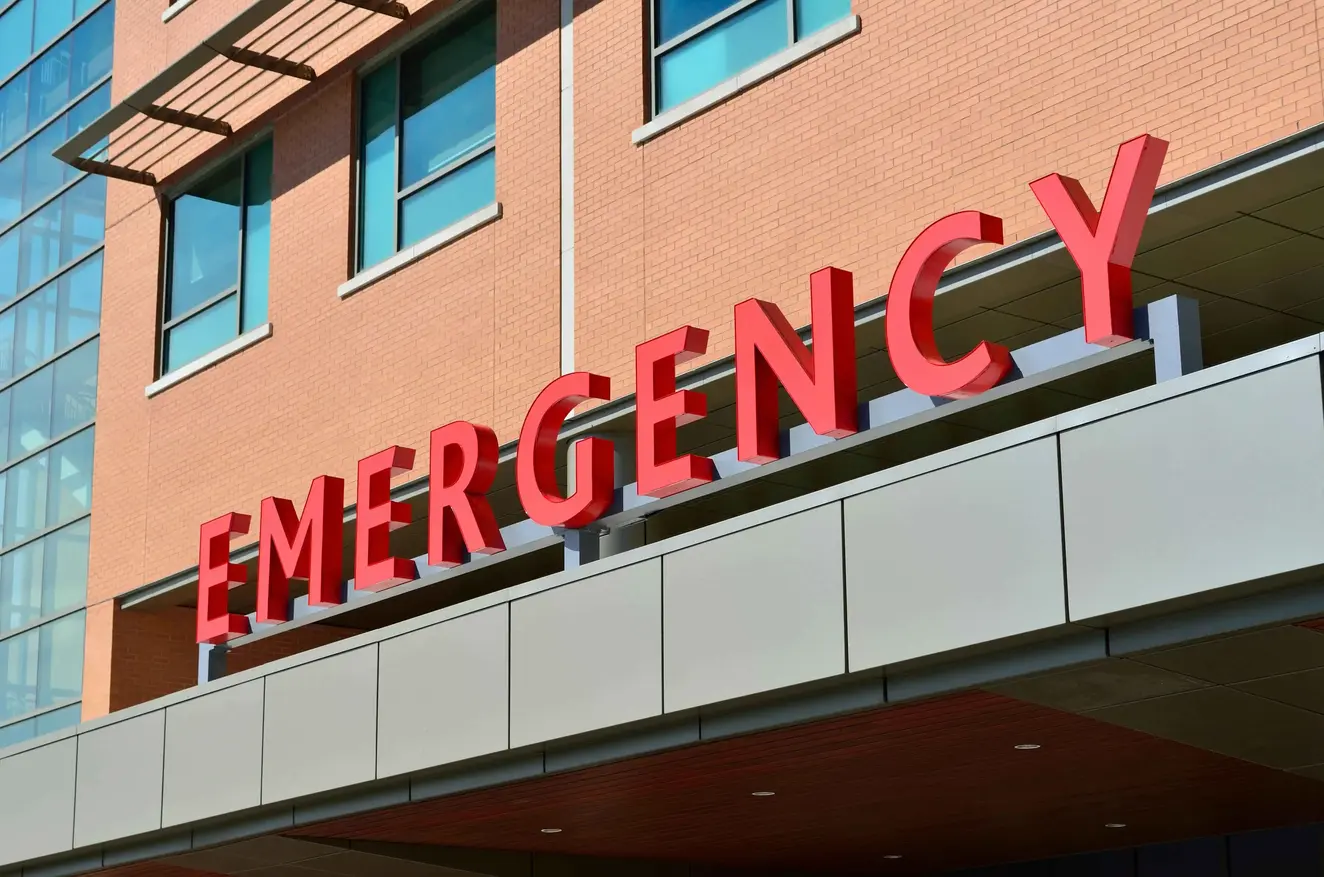
Urgent care is meant for health problems that feel important today but are not clearly life-threatening. That can include respiratory symptoms, fever, infections, pain, rashes, minor injuries, allergic reactions, urinary symptoms, and testing needs.
At MyDoc Care, patients receive prompt evaluation, treatment guidance, and clear instructions about whether follow-up, specialist care, or emergency care is needed.
What We Help With
Cough, Sore Throat, and Fever
Evaluation for common respiratory symptoms, flu-like illness, sinus symptoms, bronchitis concerns, and throat infections.
Minor Injury Care
Care for sprains, strains, soreness, bruising, small cuts, minor burns, and activity-related injuries.
Allergies and Rashes
Help with hives, allergic reactions, itchy rashes, skin irritation, and symptoms that need medical review.
Urinary and Abdominal Symptoms
Evaluation for urinary discomfort, pelvic symptoms, abdominal pain, nausea, diarrhea, constipation, or digestive concerns.
STD Testing and Sexual Health
Confidential testing guidance and care for exposure concerns, discharge, burning, genital symptoms, or routine screening.
Physicals and Medical Forms
Support for physical exams, work or school forms, and time-sensitive medical documentation when appropriate.
Care Approach
Triage the concern
We identify warning signs first so emergency symptoms are not treated like routine urgent care.
Treat what can be treated
Your provider may recommend testing, medication guidance, supportive care, or next-step follow-up.
Keep care connected
When a symptom needs ongoing management, we connect the visit back to primary care or specialist follow-up.
When To Visit
- You have new symptoms that should be checked soon
- A minor injury is painful or not improving
- You need testing or treatment guidance
- You cannot wait for a routine appointment
- You need help deciding whether symptoms are urgent
Questions Patients Ask
What can urgent care treat? +
Urgent care can evaluate many non-life-threatening illnesses, minor injuries, testing needs, rashes, urinary symptoms, and pain concerns.
When should I go to the ER instead? +
Call 911 or go to the emergency room for severe chest pain, stroke symptoms, severe shortness of breath, major trauma, heavy bleeding, fainting, or severe worsening symptoms.
Can urgent care help if I do not know what is wrong? +
Yes. A provider can review your symptoms, check for warning signs, and guide you toward the right next step.