
Our specialty team at MyDoc Care provides exceptional medical services to individuals of all ages from locations in Forest Hills and East Meadow, New York. We’re also committed to providing the information you need to make informed decisions about your health.
Here’s what we’d like you to know about cellulitis and the danger it poses to your overall wellbeing.
Understanding cellulitis
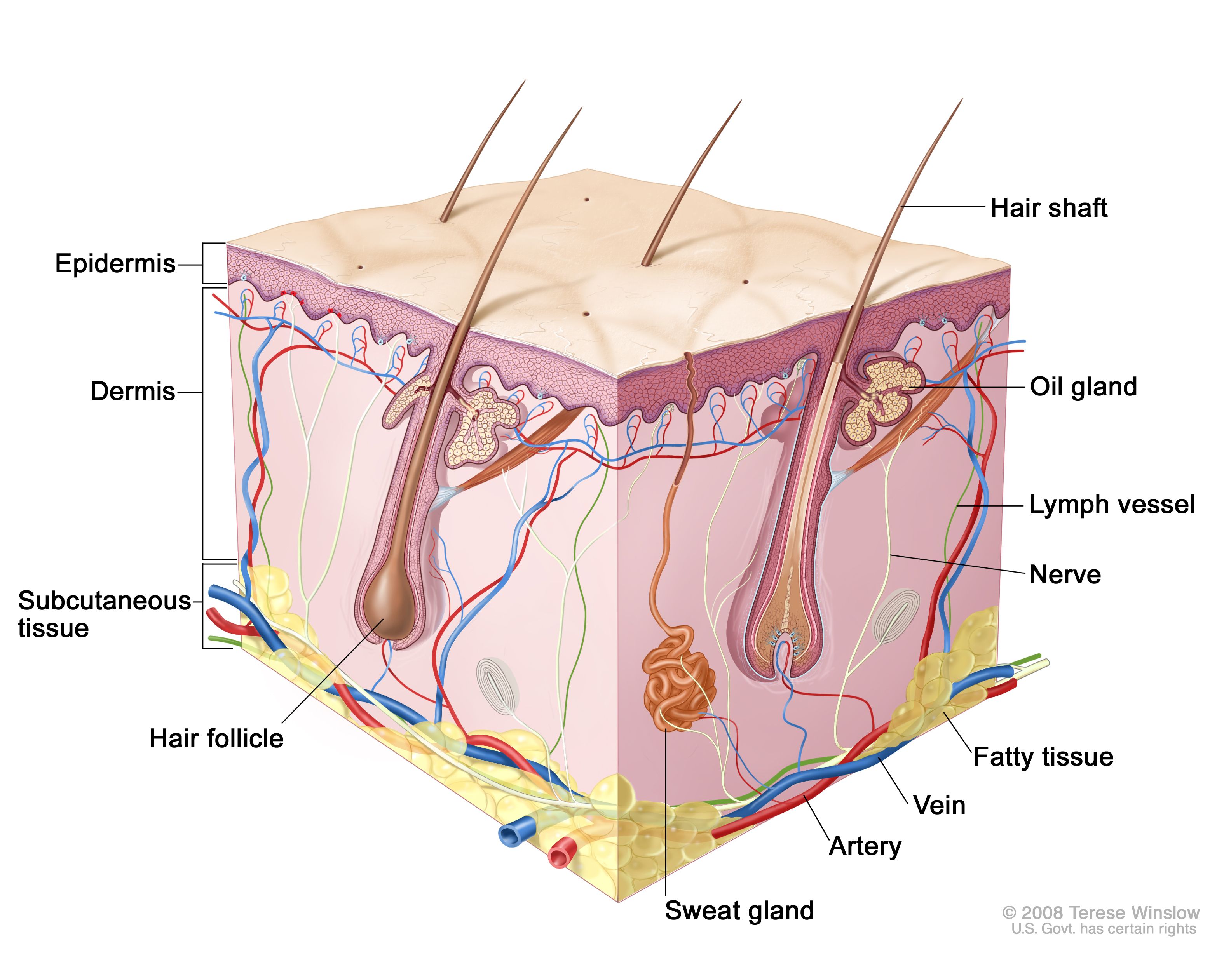
Cellulitis is a potentially serious bacterial skin infection that, according to the National Institutes of Health, is diagnosed in more than 14 million people in the United States every year and leads to about 650,000 hospitalizations annually. Caused by a break in the skin that allows bacteria to enter the deeper skin layers, cellulitis may lead to extensive tissue damage and even tissue death (gangrene). Left untreated, cellulitis can spread into the lymph nodes and bloodstream, where it can quickly expand throughout the body and may lead to a life-threatening systemic infection (sepsis). Though rare, cellulitis complications also include necrotizing fasciitis, or “flesh-eating disease,” linked to group A streptococcus (strep) bacteria.Cellulitis causes and symptoms
Most often caused by streptococcus and staphylococcus bacteria that are common in the environment, cellulitis can occur rather suddenly. It frequently develops on the legs and feet but can appear anywhere on the body. Although it may be related to a laceration or obvious break in the skin, cellulitis can also occur in areas where skin is irritated or weakened by conditions such as:- Eczema
- Athlete’s foot
- Excessively dry or flaky skin
- Ulcerations (sores) related to chronic circulatory issues such as peripheral arterial disease (PAD)
- Animal bites or cuts sustained while swimming or wading are also common triggers for cellulitis.
- Area of expanding and deepening skin redness with warmth
- Swelling in the affected region that may spread as the infection advances
- Red spots or blisters on the skin
- Dimpling or orange-peel texture to the skin
- Worsening pain and tenderness to touch in the affected area
- Fever